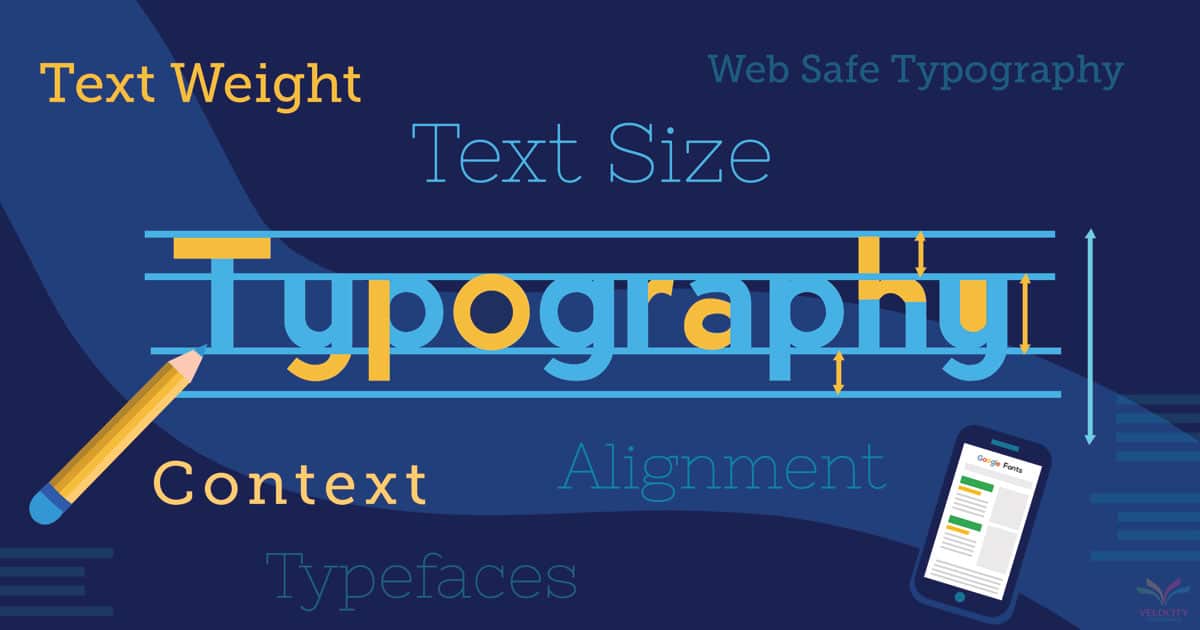
5 Essential Fonts for Modern Web Design
In the ever-evolving world of web design, the choice of fonts plays a crucial role in enhancing user experience and ensuring readability. Here are 5 essential fonts that can elevate the aesthetics of modern websites:
- Roboto: This sans-serif typeface is known for its clean lines and versatility, making it a favorite among designers for both headers and body text.
- Open Sans: A humanist sans-serif font, Open Sans is ideal for long-form content due to its excellent legibility across various screen sizes.
- Lora: If you're looking for a contemporary serif font, Lora offers a perfect balance of traditional and modern elements, making it great for storytelling.
- Montserrat: Inspired by urban typography, Montserrat adds a modern touch to websites, perfect for headlines and branding elements.
- Playfair Display: This serif font brings a touch of elegance and sophistication, suitable for fashion and lifestyle websites.
When integrating these essential fonts into your web design, consider the overall theme and audience of your site. Each font serves a different purpose; for instance, while Roboto and Open Sans are best for readability, Playfair Display can create a stunning visual impact. By using a combination of these fonts effectively, you can not only enhance your site's visual appeal but also improve engagement and user retention. Remember, the right typography is key to making a lasting impression.
How Typography Influences User Experience on Your Website
Typography is more than just the art of arranging text; it plays a crucial role in shaping user experience on your website. The choice of font, its size, and the spacing between letters can significantly influence how easily visitors read and comprehend your content. For example, using a legible font with adequate line spacing enhances readability, keeping users engaged while minimizing eye strain. Conversely, poorly chosen typography can drive users away, causing them to abandon your site in frustration. Therefore, it’s essential to understand how each typographic element can affect not just aesthetics but also usability.
Moreover, typography contributes to brand identity and emotional response. A whimsical font might evoke feelings of creativity, while a clean, sans-serif typeface often suggests professionalism and clarity. When users perceive a brand through its typography, they form immediate judgments that can either strengthen or weaken their connection to the content. Thus, integrating a consistent typographic hierarchy—using different styles for headings, subheadings, and body text—can effectively guide users through the information on your site, making their navigation experience seamless and enjoyable.
Choosing the Right Font: What You Need to Know for Web Success
Choosing the right font for your website is crucial for delivering an optimal user experience. The font you select influences not only the aesthetic appeal of your site but also its readability and overall effectiveness. A well-chosen font can enhance the message you want to convey and keep your visitors engaged. When considering fonts, take into account factors like legibility, mood, and brand alignment. Aim to strike a balance between creativity and clarity to ensure that your content is both visually attractive and easy to read.
To make the best decision, follow these essential tips:
- Understand your audience: Consider your target demographic and choose a font that resonates with them.
- Limit your choices: Avoid using too many fonts; stick to 2-3 fonts to maintain cohesion.
- Test across devices: Ensure your font looks good on both desktop and mobile platforms.